employers impose probationary periods under the Act
Employers often use probationary periods as a way to assess the suitability of new employees before confirming permanent employment. The Employment Standards Act provides guidance on how probationary periods can be implemented and clarifies the rights and obligations of both employers and employees during this time. Understanding whether employers can impose probationary periods under the Act is essential for creating fair workplace policies while ensuring compliance with statutory employment standards. Probationary periods are typically seen as a trial phase, allowing employers to evaluate an employee’s performance, skills, and fit within the organization. However, even during this period, employees retain certain protections under the Employment Standards Act, meaning that probation does not exempt employers from adhering to minimum legal requirements.
Under the Employment Standards Act, employers can generally impose probationary periods, but these periods must comply with the Act’s provisions, particularly those relating to termination notice, wages, and benefits. For example, while an employee may be on probation, they are still entitled to the minimum wage and overtime protections, as well as statutory holidays and vacation entitlements where applicable. The probationary period cannot be used to circumvent these legal obligations, and any agreement that attempts to deny an employee their rights under the Act is invalid. This ensures that probationary employees receive the same basic employment protections as permanent employees, even if their status is temporary.
Probationary periods are often defined in employment contracts, specifying their duration, expectations, and evaluation criteria. Employers must clearly communicate these terms to employees, as clarity is essential to avoid misunderstandings. The Employment Standards Act does not prescribe a maximum length for probationary periods, but they are typically limited to a reasonable timeframe, often three to six months, depending on the role and industry. During this time, employers can monitor performance, attendance, and overall suitability while providing feedback and guidance. Clear probationary terms in line with the Act help prevent disputes over the termination of employment during the probation period.
Even though probationary employees are often easier to terminate than permanent employees, the Employment standards act requires employers to provide notice or pay in lieu of notice when ending employment, unless termination is for just cause. This applies regardless of whether the employee is on probation. Employers must be cautious not to use probation as a way to bypass these requirements, as failing to comply can lead to legal challenges and claims for wrongful dismissal. Probationary employees also retain the right to file complaints with employment standards authorities if their rights under the Act are violated, emphasizing that probation does not remove statutory protections.
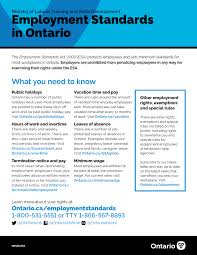
Can employers impose probationary periods under the Act?
The Employment Standards Act also addresses issues related to benefits and other entitlements during probation. While some employers may have policies requiring employees to complete probation before accessing certain benefits, such as health insurance or retirement plans, any policy must not conflict with the Act. Statutory entitlements such as minimum vacation, statutory holidays, and public health benefits remain protected, ensuring that probationary periods cannot be used to unfairly limit employee rights. Employers should design probationary policies that balance operational needs with compliance, creating a framework that is transparent and legally sound.
Another consideration is the evaluation and feedback process during probation. The Employment Standards Act encourages fair treatment, meaning that performance assessments should be objective and based on reasonable criteria. Employers should provide guidance, training, and support to help employees succeed during probation, rather than using the period solely as a mechanism to terminate employment easily. Proper documentation of evaluations, discussions, and performance goals helps employers demonstrate that any termination during probation is based on legitimate factors, aligning with both employment law and best practices in human resources.
In summary, employers can impose probationary periods under How to prove disability discrimination in the workplace, but these periods must comply with statutory employment rights and protections. Probationary periods provide a trial phase for assessing new employees, but they do not exempt employers from paying wages, providing benefits, or giving notice as required by the Act. By establishing clear probationary terms, maintaining compliance with statutory obligations, and offering fair evaluations, employers can implement probationary periods effectively while respecting employee rights. Understanding the scope and limitations of probation under the Employment Standards Act is crucial for fostering a lawful, fair, and transparent workplace environment.